Retrofit-Reinforce-Restore
The Indian Context: A Perfect Storm for CFRP Adoption
India is facing a monumental challenge with its existing concrete structures. The reasons are multifaceted:
1
Aging Infrastructure
Bridges, buildings, and industrial structures built during the post-independence boom are now 50-60+ years old. They are showing signs of material fatigue, corrosion of embedded steel, and general deterioration.
2
Changed Loading Patterns
Many old bridges and buildings were never designed for the current-day traffic loads, seismic zone revisions, or changed industrial machinery. They need to be upgraded, not just repaired.
3
Environmental Degradation
Structures in coastal areas face severe chloride-induced corrosion. Industrial structures are subjected to chemical attacks that degrade concrete and steel.
4
Poor Construction Practices of the Past
Instances of substandard materials and construction techniques in some old structures have led to premature degradation.
5
Heritage Conservation
India's vast stock of heritage structures requires interventions that are strong but also reversible and minimally invasive, which CFRP provides.
CFRP technology addresses the trinity of challenges facing India's infrastructure: the need for speed, the demand for strength and durability, and the critical requirement for sustainability. As India continues its rapid urbanization and grapples with its existing assets, moving beyond the "demolish and rebuild" mindset to a "retrofit and restore" approach is not just smart engineering—it is an economic and environmental necessity. CFRP is the key enabler of this essential transition and Dan Bro realises this
Key Application Segments serviced with Dan Bro CFRP Products in India
Old Buildings
In Strengthening for additional floors, correcting design/construction flaws, and repairing damage from earthquakes or general aging.
Heritage Structures
In Providing hidden strength to domes, arches, and walls without altering their aesthetic appearance, as required by bodies like the ASI (Archaeological Survey of India).
Industrial Concrete Structures
In Repairing chimneys, cooling towers, silos, and chemical plants that are exposed to vibrations, heat, and corrosive environments.
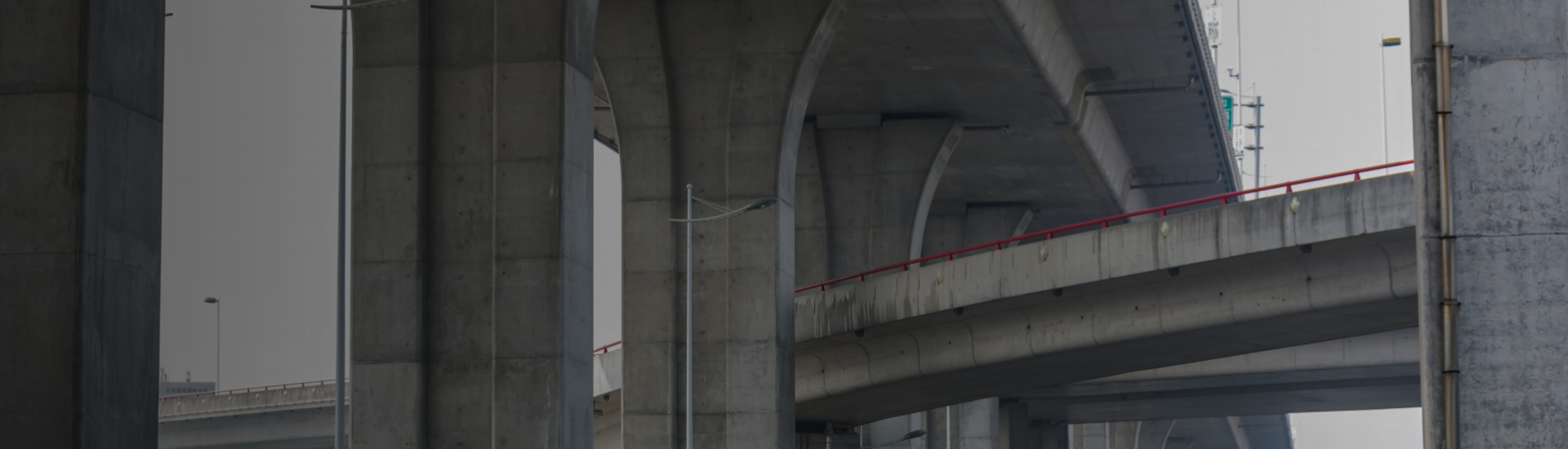
Bridges & Flyovers
In Increasing load-carrying capacity for modern traffic, repairing impact damage, and wrapping columns for enhanced ductility and seismic resistance.
Water & Sewage Treatment Plants
Protecting structures from continuous moisture and chemical attacks, which cause rapid steel corrosion.